Seborrhoeic Keratoses Brownish Growths, Basic Cell Papillomas, Seborrheic Keratosis
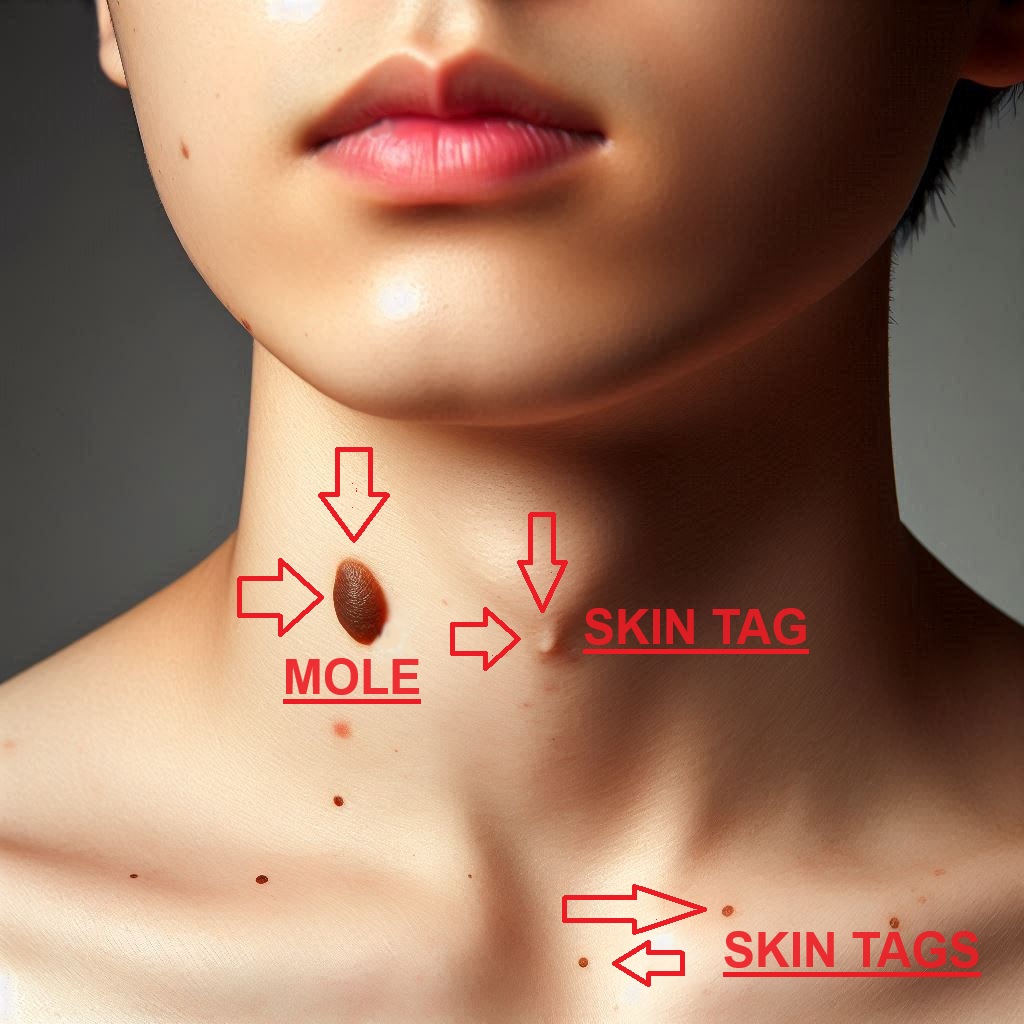
Seborrheic Keratosis Therapy St Louis In the majority of people, seborrheic keratoses initially appear in midlife or later. People that are most likely to get these growths have relative with seborrheic keratoses. Often the developments appear while pregnant or after estrogen substitute therapy. Variations include the stucco seborrheic keratosis and dermatosis papulosa nigra (DPN). Although diagnosed scientifically, mimickers of SKs are popular with melanoma being the most concerning. Therapy of SKs is largely step-by-step with new treatments in development. Seborrheic keratosis is an usual skin condition characterized by the existence of increased bumps with a waxy or scaly texture. These bumps, additionally known as seborrheic keratosis lesions or simply seborrheic keratoses, can vary in dimension from tiny to numerous centimeters in size. They are generally rounded or oblong, much less than an inch in size, have a waxy or wart-like look, and appear as either solitary areas or in collections. Tinea versicolor is a typical skin problem caused by an overgrowth of yeast on the skin's surface area. The yeast usually live in the pores of the skin and grow in oily areas such as the neck, upper breast, and back. Seborrheic dermatitis is an usual skin problem that can be conveniently dealt with. Causing a red, scaly, scratchy breakout, this condition most commonly develops on the scalp, sides of the nose, eyebrows, ears, eyelids, and middle of the upper body.
Am I In Danger For Seborrheic Keratosis?
Our Mohs and Plastic Surgery methods are incorporated, and offer patients the most sophisticated skin cancer cells therapy, providing superior end results. After SK therapy, you may see a little red, dark or light area on your skin where the growth utilized to be. While this usually fades with time, a permanent light or white spot is a feasible adverse effects of SK therapy, particularly if you have a darker skin.What happens if seborrheic keratosis is left without treatment?
Seborrheic keratoses are safe and not contagious. They do not need treatment, however you may determine to have them gotten rid of if they end up being inflamed by clothes or you don't like just how they look.

Threat Factors
To learn more, call our workplace today to schedule your consultation. Seborrheic Keratoses begin as barely elevated, slightly bumpy, tiny plaques on the skin surface area that may be either tinted or not colored. With time, these grow into increased, warty plaques that look like if "stuck on" to the Dermatology skin surface, and are darkly pigmented or perhaps black in darker people. These later growths might be anywhere from 1 to 6 centimeters, and hardly ever might be scratchy or tender. We provide a data source of explanations from real doctors on a variety of medical subjects. Get going by exploring our library of inquiries and subjects you want to learn more concerning. If it's something more severe, very early detection makes a major difference. Most of the times, treatment is not clinically needed. All insurance coverage and group advantage plans contain exemptions and limitations. For availability, costs and full information of coverage, call a licensed representative or Cigna sales agent. Although it's common, accurate details concerning acne can be limited. After getting rid of the seborrheic keratosis, your physician might do a biopsy on it to look for skin cancer cells. People that have yet to reach their 50s are much less most likely to create seborrheic keratosis than those that more than that age range. Nonetheless, the onset of the development can begin appearing earlier. Those that have moms and dads or grandparents with seborrheic keratosis are more likely to get them when they are older.- Some seborrheic keratoses can be itchy, however they normally don't create pain.
- And while they're generally pain-free, some people experience a bit of irritation.
- They are progressively usual in the later decades of life.